Kia Brake Repair Service in Huntington, NY
Stopping Power Declines Gradually. Most Drivers Do Not Notice Until the Pads Have Been Worn Down Longer Than They Should Have Been.
Brake wear happens on every drive, but how quickly it progresses depends on driving habits, pad material, and rotor condition. A set of pads showing 4mm of remaining material at an inspection might last another year for a driver with a light commute and be gone in six months for someone navigating heavy stop-and-go traffic daily. The service team at Habberstad Kia in Huntington performs brake inspections, pad and rotor replacement, and brake fluid service for Kia vehicles and all other makes and models, with measurements documented at every visit so you always know exactly where your brakes stand.
How Your Kia Brake System Works and What Wears Over Time
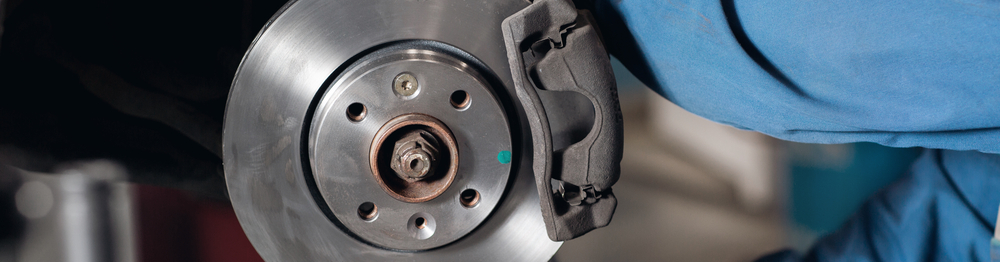
Most Kia vehicles use disc brakes on all four wheels. When you press the brake pedal, hydraulic pressure generated by the master cylinder pushes fluid through the brake lines to the calipers at each wheel. The calipers squeeze the brake pads against the rotors, and friction between the pad and rotor surface slows the vehicle. Every time the brakes are applied, a small amount of pad material is consumed and a small amount of heat is absorbed by the rotor.
Brake pads are the primary wear component in this system. They are designed to wear down so the rotor does not. Most pads include a wear indicator, a small metal tab that contacts the rotor when the pad has worn to the minimum safe thickness. That contact is what produces the high-pitched squeal many drivers first notice when brakes are approaching the end of their service life.
- Brake pads press against the rotor to create friction and slow the vehicle through hydraulic pressure from the master cylinder
- Rotors absorb and dissipate the heat generated during braking and must maintain a minimum thickness to do so safely
- Calipers house the pistons that push the pads into contact with the rotor and must release fully to prevent drag
- Brake fluid transfers pedal force through the hydraulic system and must remain free of moisture contamination to perform correctly
- Rear drum brakes are found on some Kia models and use a different mechanism involving brake shoes pressing outward against a drum
Rotors also wear over time and can develop conditions that affect braking performance beyond simple thickness loss. Heat cycling from repeated heavy braking can cause rotor warping, which produces a pulsation felt through the brake pedal under moderate to firm pressure. Surface rust from sitting overnight is normal and clears after the first few stops, but deep rust grooves from extended inactivity or sustained exposure to moisture are a different concern that affects both pad contact and stopping consistency.
Brake fluid is hygroscopic, meaning it absorbs moisture from the surrounding environment over time. As moisture content increases, the fluid's boiling point drops. Brake fluid that has absorbed enough water can boil under hard braking, producing vapor in the lines, which compresses under pedal pressure and results in a soft or spongy pedal feel. Regular fluid service prevents this condition from developing.
Brake Warning Signs and When to Schedule an Inspection
Squealing when the brakes are applied is usually the first sign most drivers notice. In most cases, this is the wear indicator doing exactly what it is designed to do. It does not mean the brakes have failed, but it does mean the pads are approaching the service limit and an inspection should be scheduled soon rather than later.
Grinding is a more urgent signal. When pads wear completely through, the metal backing plate contacts the rotor directly. This damages the rotor surface quickly and can progress from a grinding noise to reduced stopping ability within a short period of driving. A vehicle that is grinding when the brakes are applied should be inspected as soon as possible, not at the next convenient oil change appointment.
- Squealing or high-pitched noise when braking, which typically indicates pad wear indicators contacting the rotor
- Grinding, metal-on-metal sound during braking, which means pad material is gone and the rotor is being damaged
- A pulsation or vibration through the brake pedal under moderate pressure, which often points to rotor thickness variation
- A soft or spongy brake pedal that travels further than normal before the brakes engage
- The vehicle pulling to one side under braking, which can indicate uneven pad wear or a sticking caliper
Pulling to one side under braking is worth taking seriously because it often points to a caliper that is not releasing fully or pads that have worn unevenly between the left and right sides. Both conditions affect how the vehicle tracks during a stop and can become more pronounced as brake temperatures increase during extended driving.
Brake inspections are also warranted after any significant impact that involves a wheel, after any suspension repair on an axle with disc brakes, and any time the brake warning light illuminates on the instrument cluster. The warning light can indicate low brake fluid, which sometimes signals a leak in the hydraulic system rather than simply a fluid level that needs topping off.
Brake Services Performed at Habberstad Kia
From a measurement-based inspection to full pad, rotor, and fluid service, our team handles every level of brake work for Kia vehicles and all other makes and models.
Brake Inspection and Measurement
A brake inspection measures pad thickness at all four wheel positions and rotor thickness against the manufacturer's minimum specification. We also check rotor surface condition for grooves, scoring, and heat damage, and evaluate caliper function for proper release. Measurements are documented and reviewed with you before any repair is recommended. If pads and rotors are within the acceptable range, that finding is recorded and the brakes are checked again at the next service visit. No work is performed without your approval after the inspection is complete.
Brake Pad and Rotor Replacement
Pad and rotor replacement is performed when inspection confirms pads have reached the minimum safe thickness or rotors have worn below the manufacturer's discard specification. We replace pads and rotors together on the same axle to maintain even braking force side to side. After installation, the brake system is bedded in properly and tested before the vehicle is returned. We use brake components that meet Kia's friction and thermal specifications so stopping performance and pedal feel match what the vehicle was designed to deliver.
Brake Fluid Service
Brake fluid service flushes the old fluid from the hydraulic system and replaces it with fresh fluid that meets the specification for your Kia. As brake fluid absorbs moisture over time, its boiling point drops, which can lead to a spongy pedal feel during extended or hard braking. Most manufacturers recommend brake fluid replacement every two to three years regardless of mileage. We test moisture content in the existing fluid before recommending service so the recommendation is based on the actual condition of the fluid rather than a fixed calendar interval.
Brake Inspections That Show You What We Find Before Any Work Begins
Brake recommendations at our service center are based on measured pad thickness and rotor condition, not on mileage estimates or assumptions. When the wheels come off for an inspection, we measure each component against the manufacturer's specification and document the result. If everything is within range, no repair is recommended and no charge is applied for the inspection during a scheduled service visit.
We inspect brakes at every oil change and tire rotation because brake wear is not linear. A vehicle driven mostly on highways with light braking may show minimal wear at 20,000 miles. The same vehicle used for school pickups, city driving, and frequent stops can wear through a set of pads in half that distance. Regular inspection is how we catch the difference.
- Pad thickness and rotor condition measured and documented at every brake inspection
- Repair recommendations based on measured findings, not estimated wear or mileage intervals
- Brake system checked at every oil change and tire rotation appointment
- Brake service available for all Kia models and all other vehicle makes and models
We replace pads and rotors in axle pairs rather than on a single corner to maintain balanced braking force between the left and right sides. Installing new pads on one side of an axle while leaving worn pads on the other creates uneven braking that can cause the vehicle to pull under hard stops. Matching the friction surfaces on both sides of the axle is the correct approach for consistent, predictable stopping.
After any brake repair, the vehicle is test driven before it is returned. Brake pedal feel, stopping consistency, and the absence of noise or pull are verified on the road, not just in the bay. We do not hand a vehicle back after a brake job without confirming the work corrected the condition it was performed to address.
Kia Brake Service at Habberstad Kia in Huntington
We stock brake pads and rotors for the full Kia lineup, including Telluride, Sportage, Sorento, Carnival, K5, Soul, Niro, and EV6. Brake specifications vary across Kia models, and we confirm the correct pad friction rating and rotor dimensions from your VIN before any parts are installed.
Most brake pad and rotor replacements are completed the same day. Brake fluid service is typically performed during the same visit as other scheduled maintenance. If you are experiencing grinding, a spongy pedal, or pulling under braking, call our service desk and we will prioritize getting your vehicle in.
- Brake pads, rotors, and fluid in stock for all current Kia models
- Brake service available for all other vehicle makes and models as well
- Most brake repairs completed same day with a scheduled appointment
Find Habberstad Kia in Huntington, NY
Kia Brake Repairs Serving Huntington and the Communities Around It
Drivers from across Long Island trust Habberstad Kia for brake inspections and repairs. Whether you have noticed squealing, grinding, or a pedal that does not feel right, our service team will measure what is there, tell you what it means, and handle the repair correctly the first time.
- Huntington, NY
- Northport, NY
- Commack, NY
- Smithtown, NY
- Melville, NY
- Cold Spring Harbor, NY
- Centerport, NY
- Dix Hills, NY
Brakes are not a service to delay when the warning signs are there. If something about your braking feels different than it used to, schedule an inspection before the condition progresses. An early inspection costs far less than the damage that comes from letting worn pads contact the rotor unchecked.
Brake Questions We Get at Every Service Visit
Brake questions are among the most common we hear from customers across every make and model. Here are the ones that come up most consistently at our service desk.
Q: How do I know if my Kia brakes need to be replaced?
Q: What does it mean when my brakes squeal?
Q: How often should brake pads be replaced on a Kia?
Q: What is brake fluid service and why does it matter?
Q: Does Habberstad Kia perform brake service on all vehicle makes and models?
Hearing something from your brakes that does not sound right? Call our service desk before your next scheduled visit. Brake concerns are worth addressing promptly, and we will get you in as quickly as possible.
Straightforward answers, no pressure. We will tell you exactly what we find.
Schedule Your Brake Inspection at Habberstad Kia
Brakes are the one system on your vehicle where delayed service directly affects your ability to stop safely. A set of pads that is past the service limit does not fail predictably. Stopping distances increase, pedal feel changes, and rotor damage accumulates with every mile driven on metal-to-metal contact. None of that gets better on its own.
Our Huntington service team inspects, measures, and documents brake condition at every visit. If the brakes are within range, you leave knowing that. If they are not, we show you the measurements and walk you through what the repair involves before anything is approved. No surprises, no pressure.
Book your appointment online, call during business hours, or bring the vehicle in. If you are already hearing squealing or grinding, do not put the inspection off. Come see us and we will give your brakes the attention they need.
Service Specials

Essential Care Package
Preferred Care Package
Complete Care Package

Paintless Dent Repair
Includes Free Estimate

Summer Road Trip Inspection
-Multi-point inspection -Battery test -Tire inspection/balance

Service Transportation

Factory Maintenance Special
Your 15K, 45K, 75K, or 105K maintenance will be performed per your owner’s manual to help maintain performance and reliability.


Wild Card
Four Wheel Alignment
Alignments are crucial to ensuring that you get the longest life out of your tires.

Synthetic Service Duo
Includes two full synthetic oil changes. Use one now, save one for later.